
ECS 2026
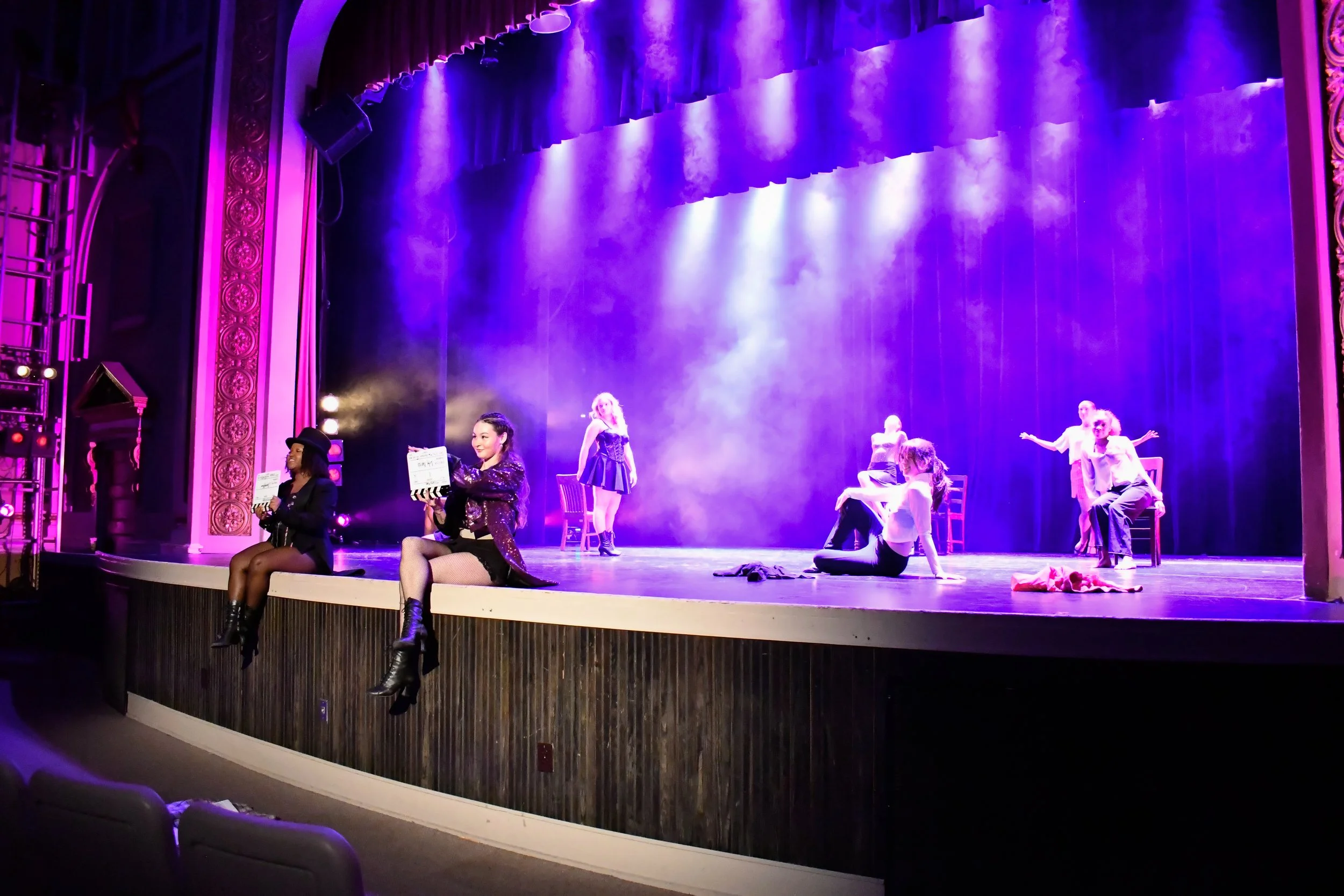
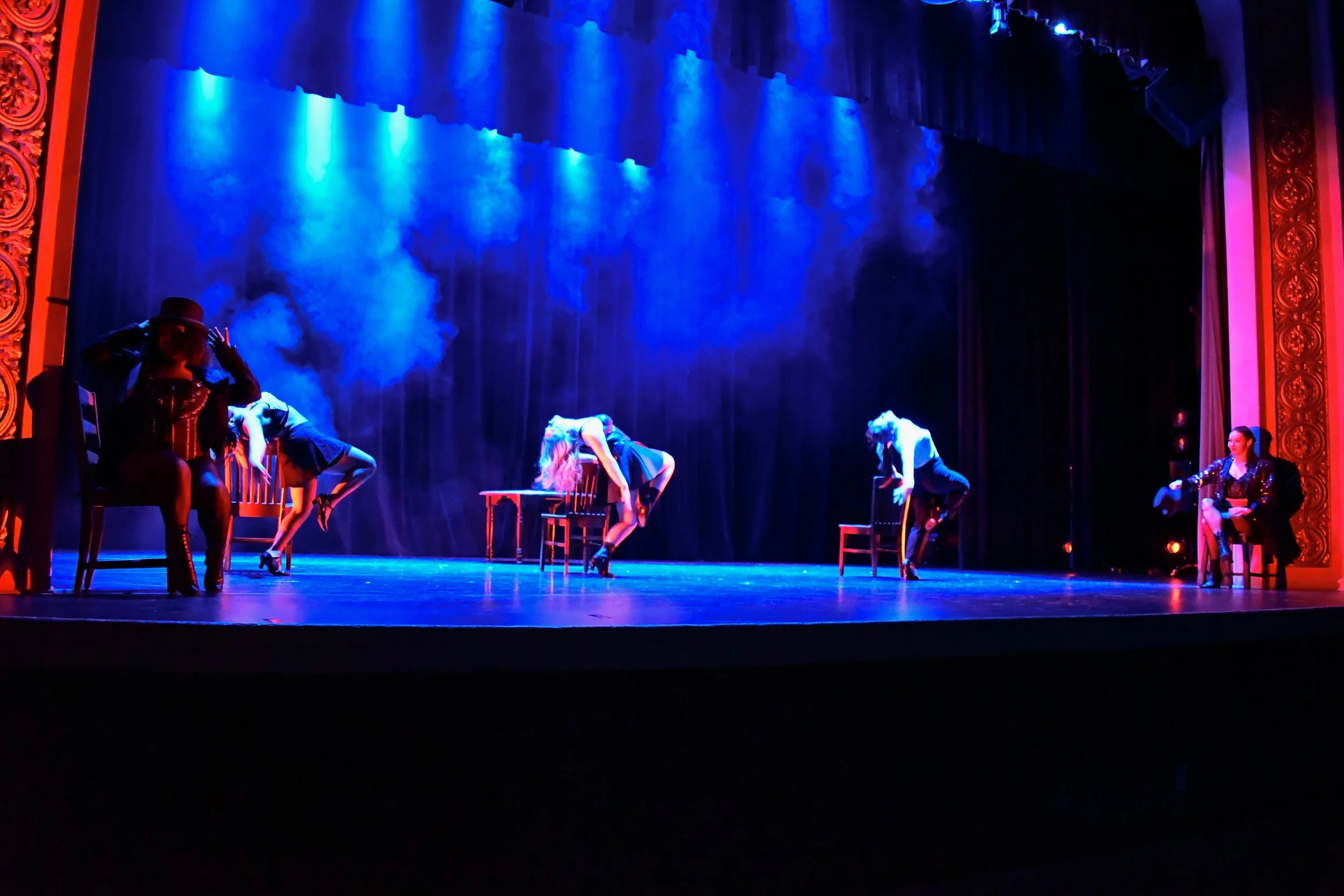
“Action!” explores the stereotypes frequently imposed on women in film and social media, using a cabaret-inspired structure framed by two MCs. The work begins with direct audience interaction, inviting viewers to dictate emotions and actions, immediately placing the performers in a position of external control. From there, six distinct characters emerge, each embodying familiar tropes—conforming to expectation, performing for approval, and existing within narrowly defined roles.
As the piece progresses, these characters begin to fracture. Through subtle shifts that build into full transformations—costume changes, altered movement qualities, and role reversals—they break away from the identities assigned to them. Each vignette, marked by the ritual of “Action” and “Cut,” reinforces the constructed nature of these personas while highlighting the tension between performance and authenticity.
While the work embraces humor and theatricality, it ultimately asks the audience to reflect more critically: To what extent are these stereotypes simply entertainment, and to what extent do they shape real expectations? At what point does performance become confinement? “Action!” invites viewers to consider what it means to reclaim agency—to move beyond imposed narratives and choose one’s own identity.
Rehearsal Process
Develop Characters and Stereotypes
Improv warmup exercises
Develop Characters and Stereotypes
Create and teach choreography
Alter and change choreography according to characters
Choreographed first, music came second
started with punk rock, jazz, music, and lyrics that tell the story
Popular music that the audience recognizes but perceives in a different way
ended with all instrumentals, acting, and dancers' choices told the story
Kept the popular aspect in some ways with songs like "Cell Block Tango" and "We Both Reached For the Gun" but used the instrumental versions in ways different than expected
The shift in song choices put the focus on the dancers, their characters, and the stories they wanted to tell
Music
Rehearsal Videos
Mentor: Mary Robberts
Background in Jazz, Commercial Dance, and Theatre
Create 3 main goals, and evaluate your ideas based on those goals
1.
Push myself out of my comfort zone with jazz and musical theatre choreography that I don't have a lot of experience in
2.
From film to stage, how can you create connections? How does the audience feel differently when they are connecting with dancers on a stage? How can the dancers break the 4th wall, reach out to the audience, look directly at the audience, and connect with them as if looking directly into a camera's eye? A sense of unfortabiity that can be achieved in film while losing the safe aspect of being hidden behind a camera?
3.
How can I create an immersive experience? Make the audience think about the things they are viewing
Mentor Feedback
Peer Feedback
Audience feedback section: How is your work perceived differently based on how the opening audience participation section is set up?
What is a way to clearly separate the scenes to help the audience not get lost throughout the constant changes?
Inspiration From
Monica Bill Barnes
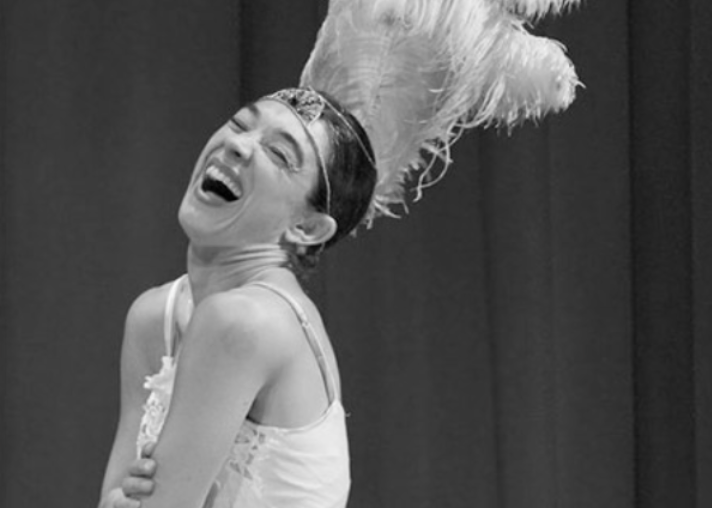
Very theatrical work
Elements of comedy
Performers fully committed to each role
Elements of intentional audience interaction
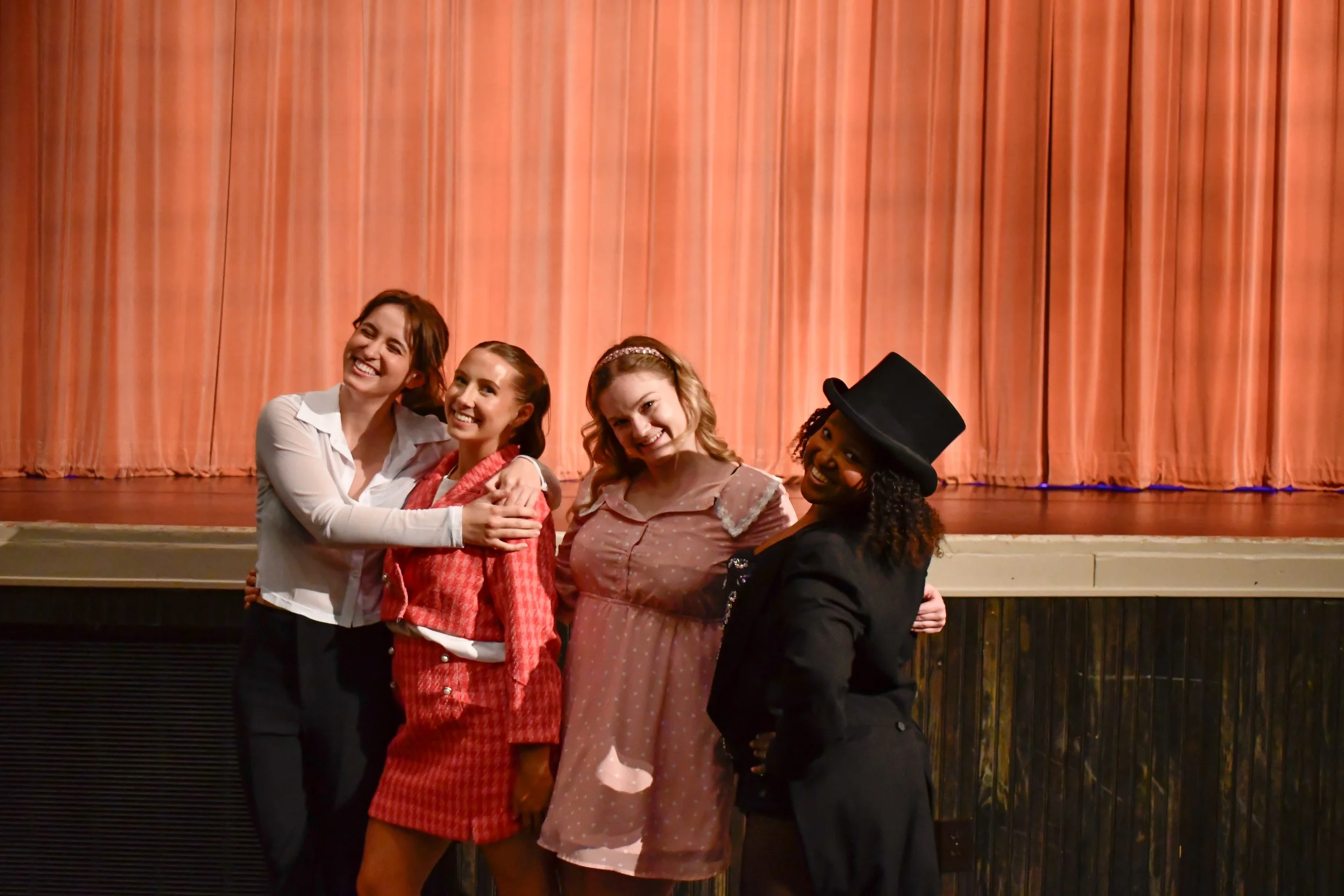
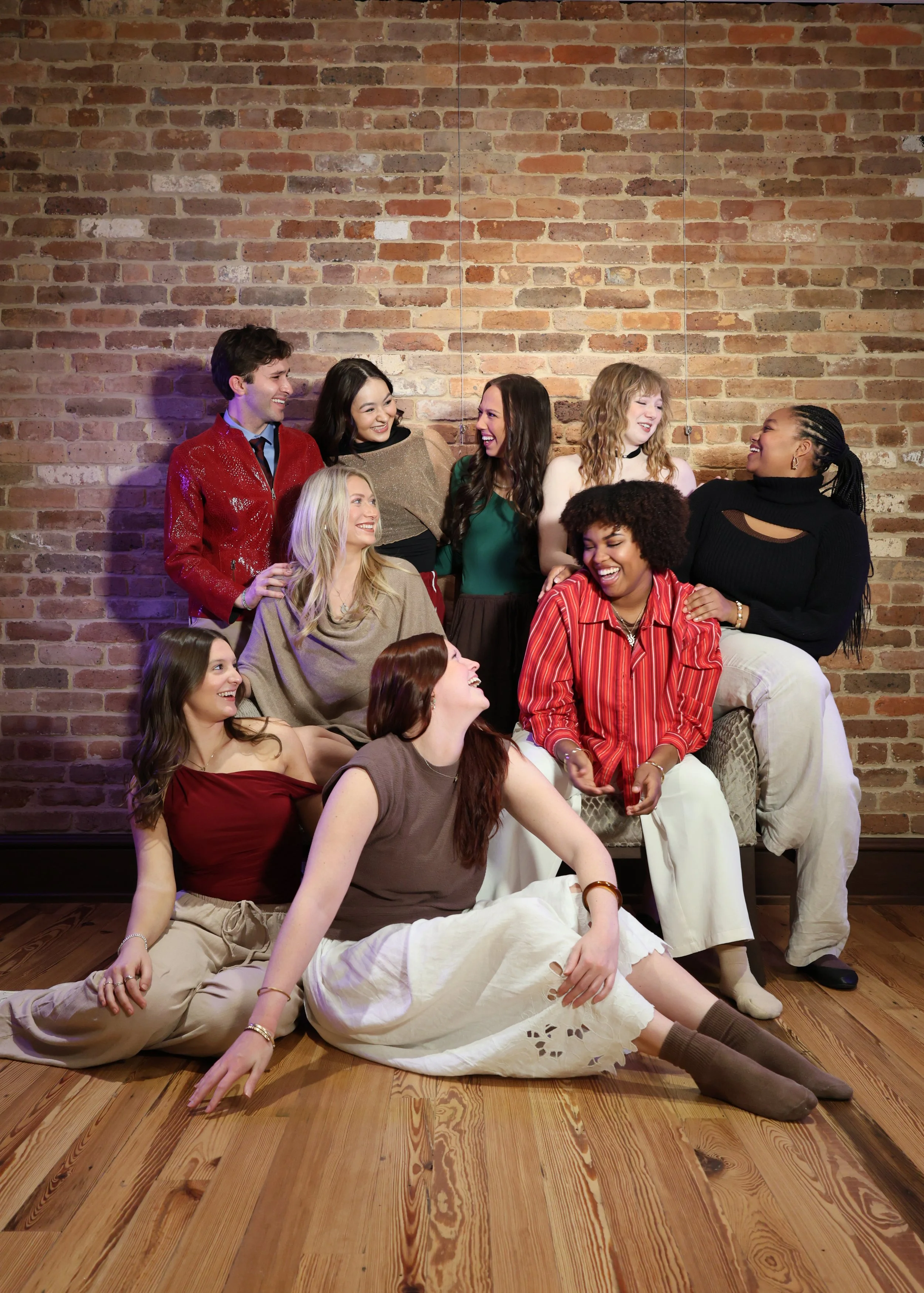
In collaboration with my dancers and the costume designers, we developed characters and found items that best represented these stereotypes as we see them in popular film and media content.
What is your stereotype/character?
How does this stereotype personally relate to you or something you have seen?
What do you see your character wearing? Clothing? Accessories? Shoes? Hair?
How do you see your character altering/changing/growing and breaking out of their stereotype or morphing into a different stereotype?
How does your costume change with the transformation of your character? This could be taking off layers, adding more, changing layers, using accessories, changing hair styles etc.
Find 2-5 examples of songs, television, or media that represent your stereotype as inspiration
Costumes
Final Character Interpretation
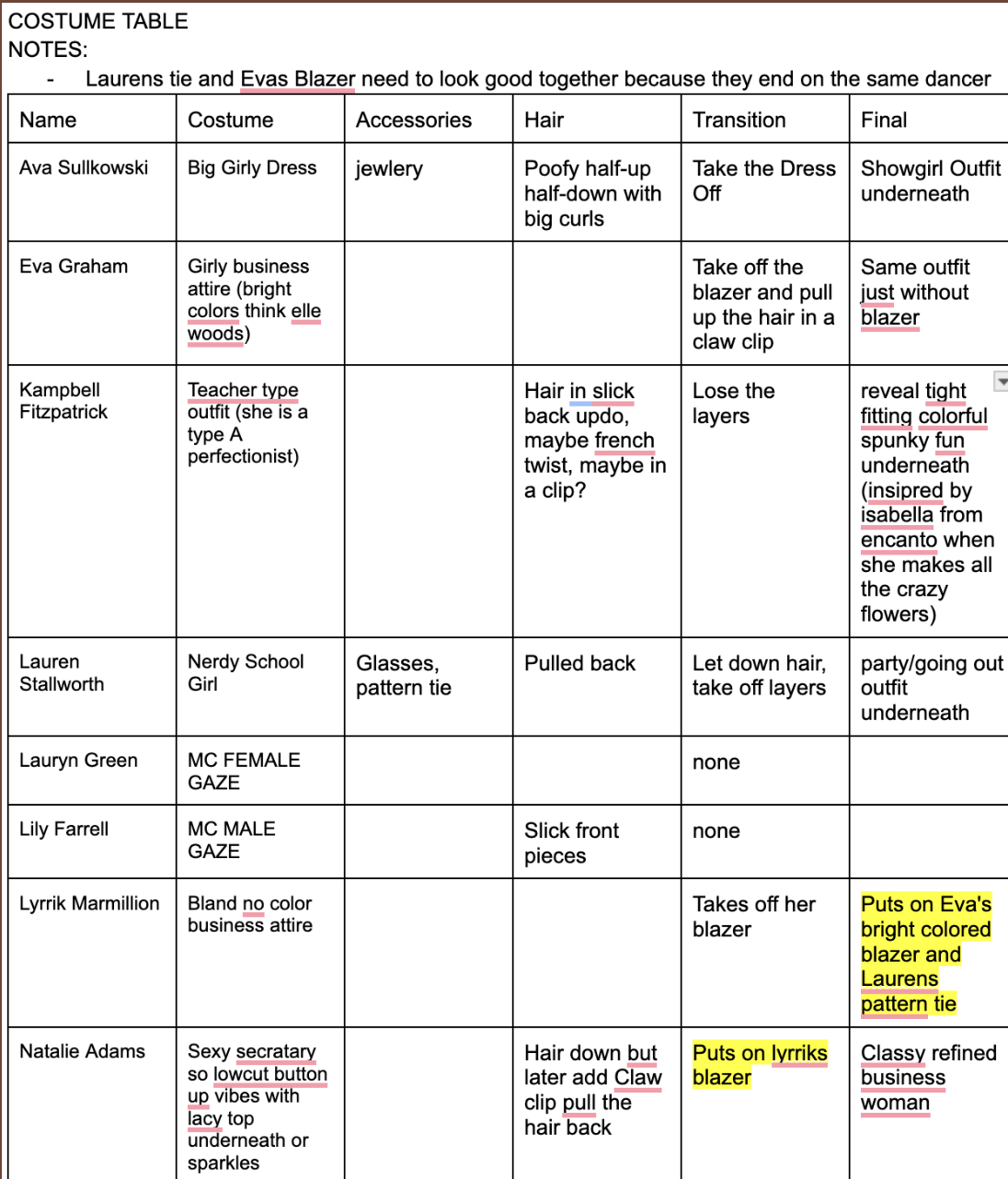
Start:
Bland- Boring - Quiet - Basic (Lyrik) office attire, business cas
Ditsy - dumb blonde - clueless (Ava) (Eva) girly popular attire
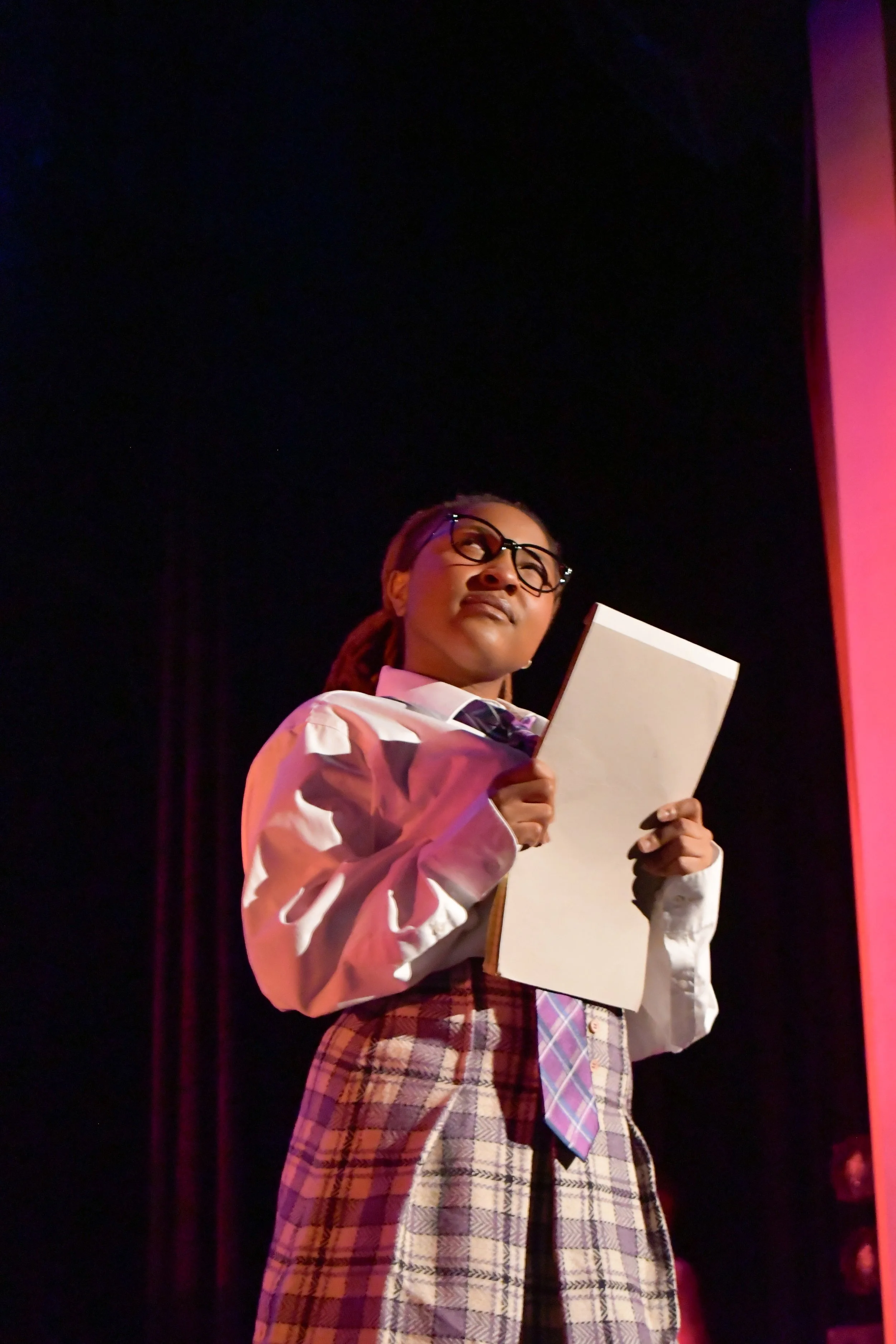
Nerd- School Girl- Quiet (Lauren) party girl
Sexy Secretary (Natalie) Business case that is more revealing
Perfect- Put Together- Type A (Kampbell)
Male Gaze MC (Lily)
Female Gaze MC (Lauryn)
Transition:
Ava loses her big dress and has a showgirl outfit underneath
Kampbell gives the top of her costume to Eva. Kampbell has a broght sparkly top underneath
Lyrick loses her blazer and gives it to Natalie
Lauren loses her tie and gives it to Lyrick
Eva takes Laurens' glasses
Eva loses her Blazer and gives it to Lyrick
Marketing
〰️
Marketing 〰️
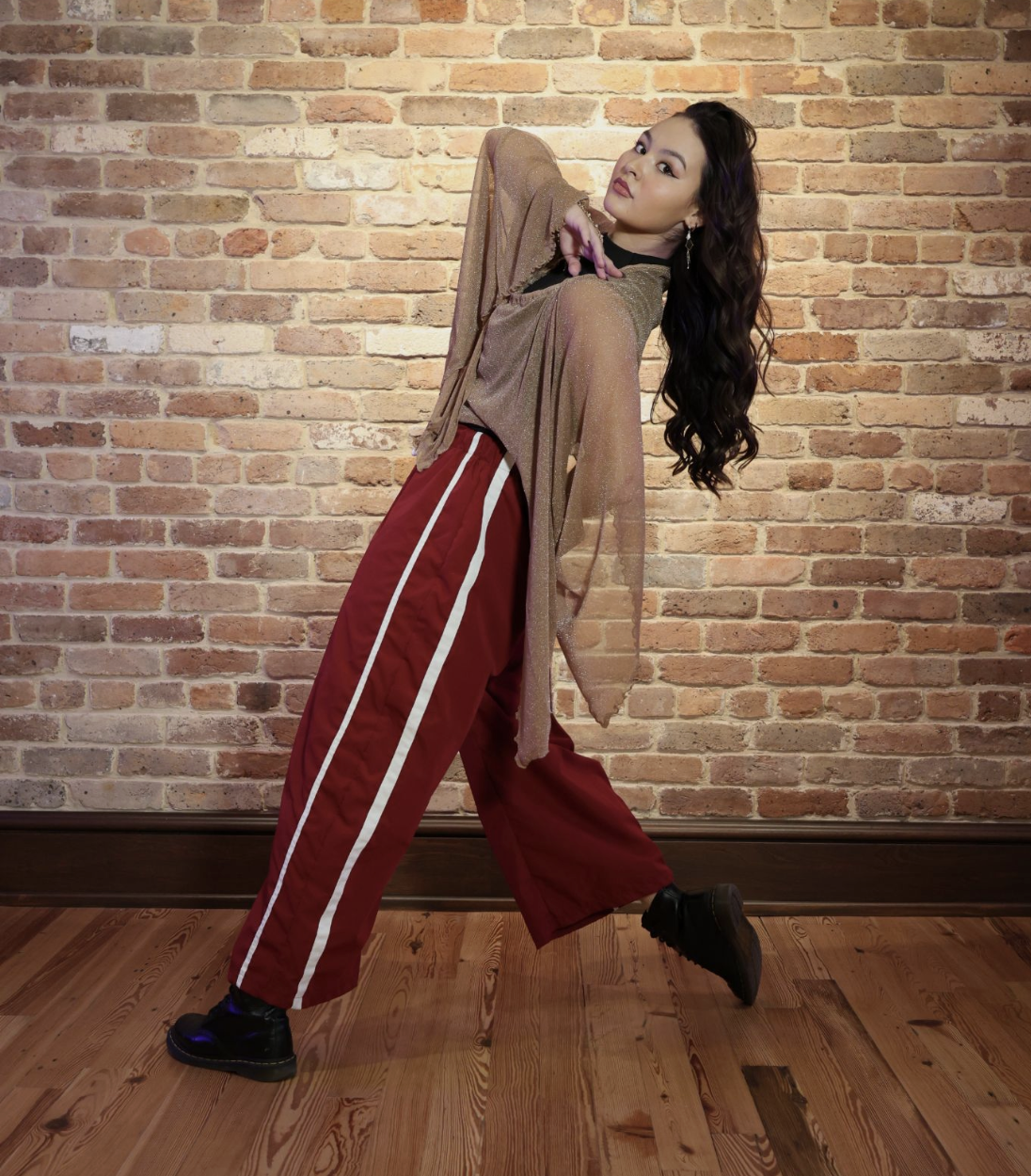
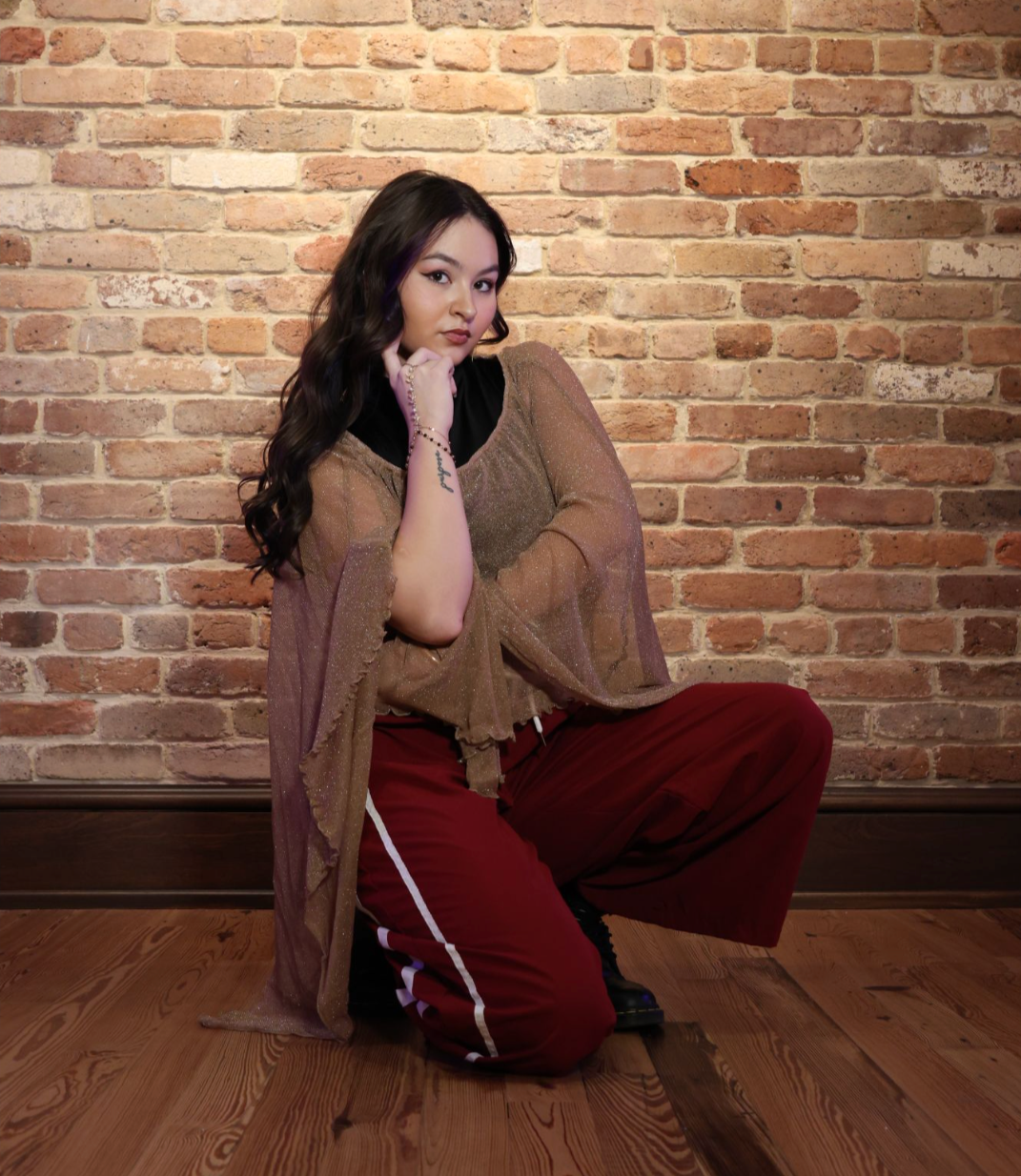
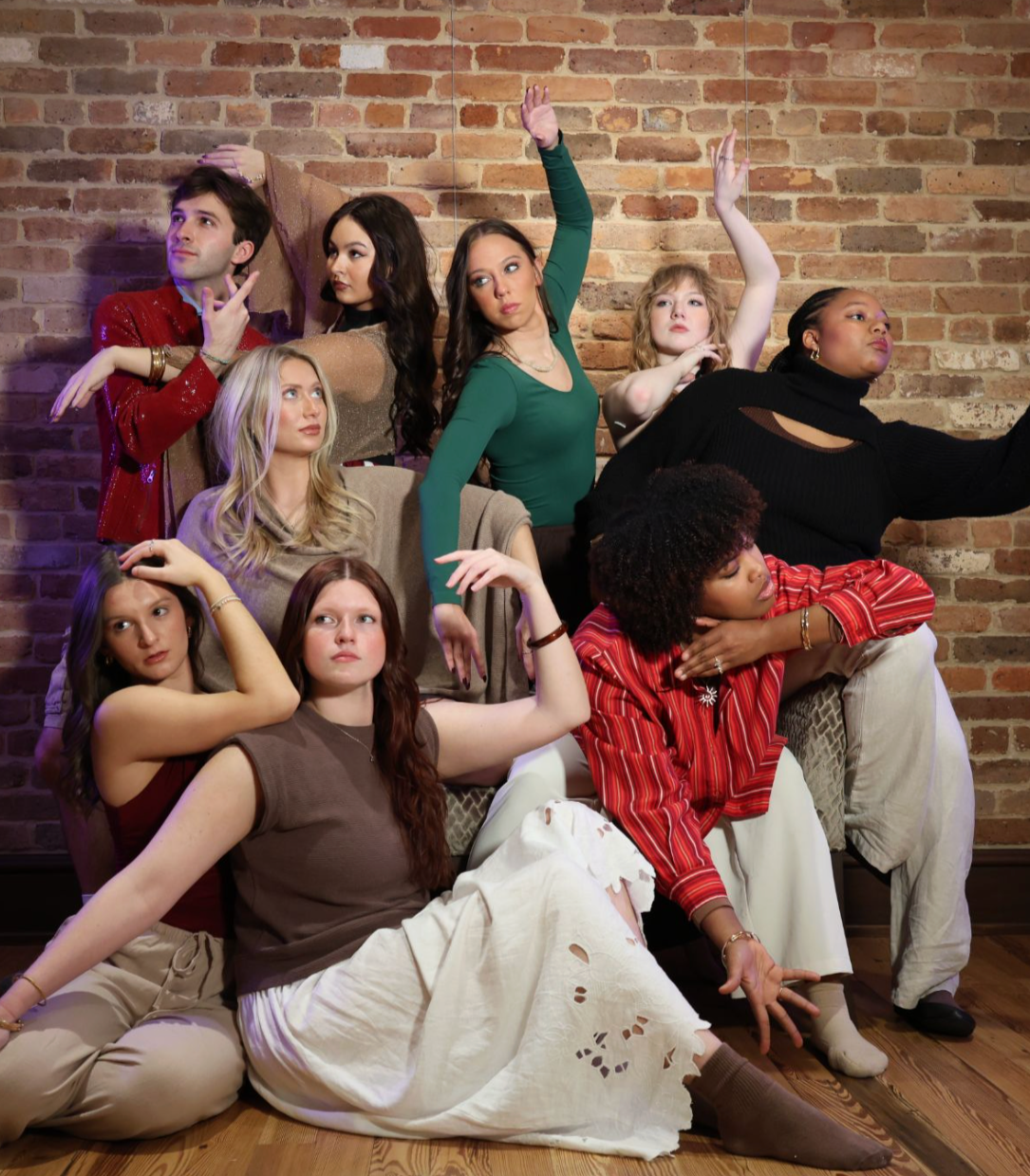
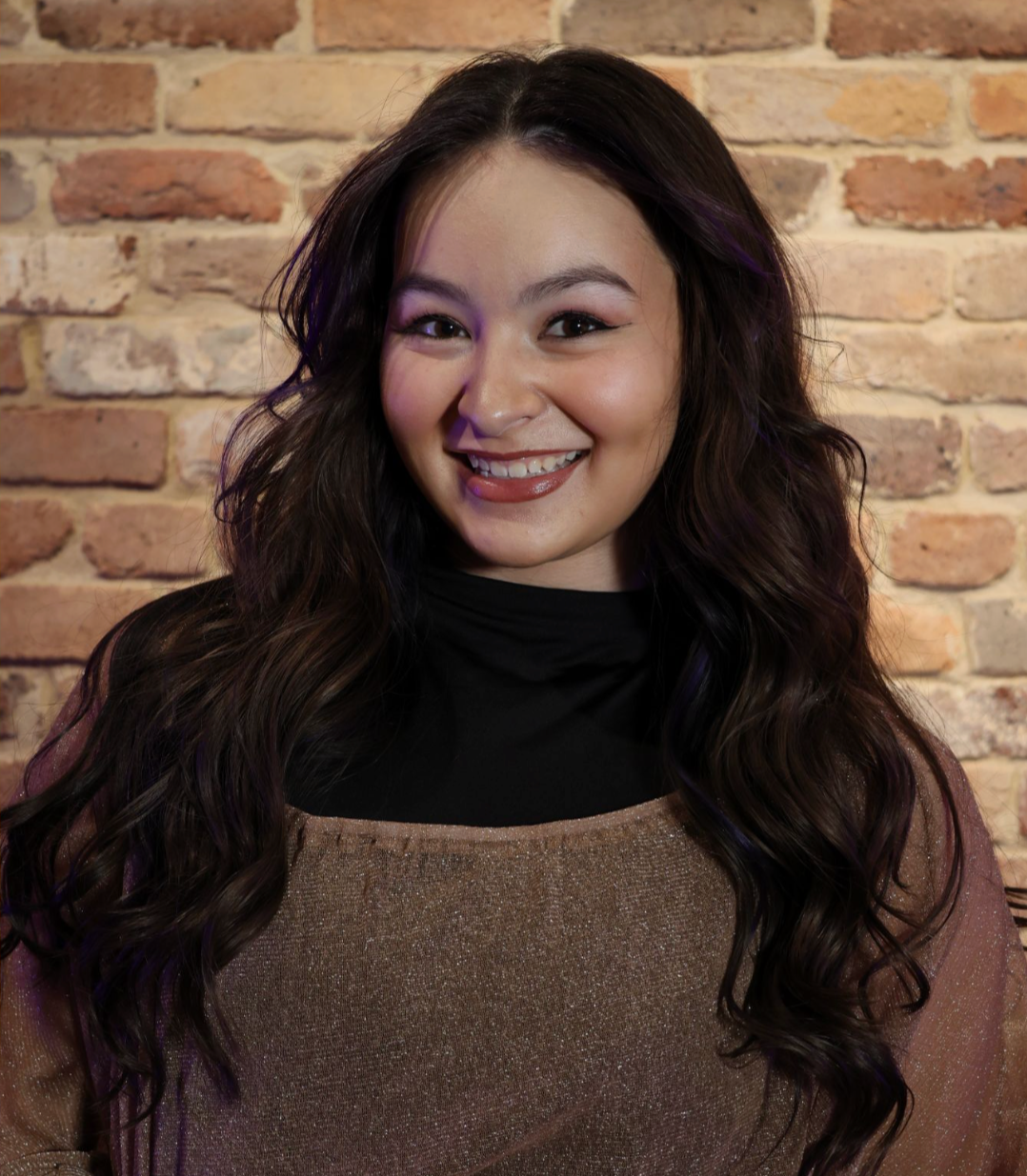
Publicity Article in Collaboartion with LC Lang and Avril Sharp
The University of Alabama Theatre and Dance presents the Emerging Choreographers’ Showcase. This concert features nine student-created works with each piece showing the choreographer’s growth, creativity, and honesty through movement. Over the past year, these student artists have learned how to create dance from start to finish, working closely with designers, stage managers, and arts staff to bring their ideas to life. Along the way, they asked important questions about themselves and the world of dance. Now, they are ready to share what they discovered. This feature highlights the work of LC Lang, Avril Sharp, and Lily Farrell.
LC Lang, a junior majoring in Dance and Accounting, closely observes the world around her, especially traditional roles placed on women. She has seen many women feel pressure to marry for security or expectation rather than love. In her choreography, LC explores the struggle between what women show on the outside and what they feel on the inside. The dancers start with neat shapes, calm movement, and polite gestures, creating a perfect image. As they progress, the movement becomes messy and broken, revealing what is hidden beneath the surface. Through this contrast, LC’s piece questions how long someone can live in two worlds before it becomes too much. What happens at the moment everything breaks?
Avril Sharp, a senior majoring in Dance and Nutrition, explores the idea of the “perfect picture.” Her work asks what perfection really means and who gets to decide it. Avril’s choreography looks at what happens behind the scenes of a perfect photo or story. It shows that not every story is meant to look the same or be shared in the same way. Through her movement, Avril’s piece questions what the perfect picture is. How does someone define their own version of it?
Lily Farrell, a sophomore majoring in Dance and Creative Media, combines both of her majors to explore stereotypes often placed on women in the film industry. Through conversations with her cast, Lily found strong connections between film stereotypes and real-life experiences. Her piece questions why women are often written as side characters whose main purpose is to support a man or his storyline. Why are women so often placed in these roles, and who benefits from those stories being told?
These questions do not come with simple answers. Instead, they are meant to be felt, witnessed, and reflected on through movement. The Emerging Choreographers’ Showcase invites audiences to experience these ideas live and decide what they mean for themselves.
The Emerging Choreographers’ Showcase runs March 3–5 at 7:30 p.m., March 6 at 5:30 p.m., and March 7 at 2:00 p.m. Performances take place in the Dance Theatre in the English Building on The University of Alabama campus. Tickets are available online at ua.universitytickets.com, by phone at (205) 348-3400, or in person at Rowand-Johnson Hall from 12–4 p.m., Monday through Friday.